• Featured Image Credit: Pinterest

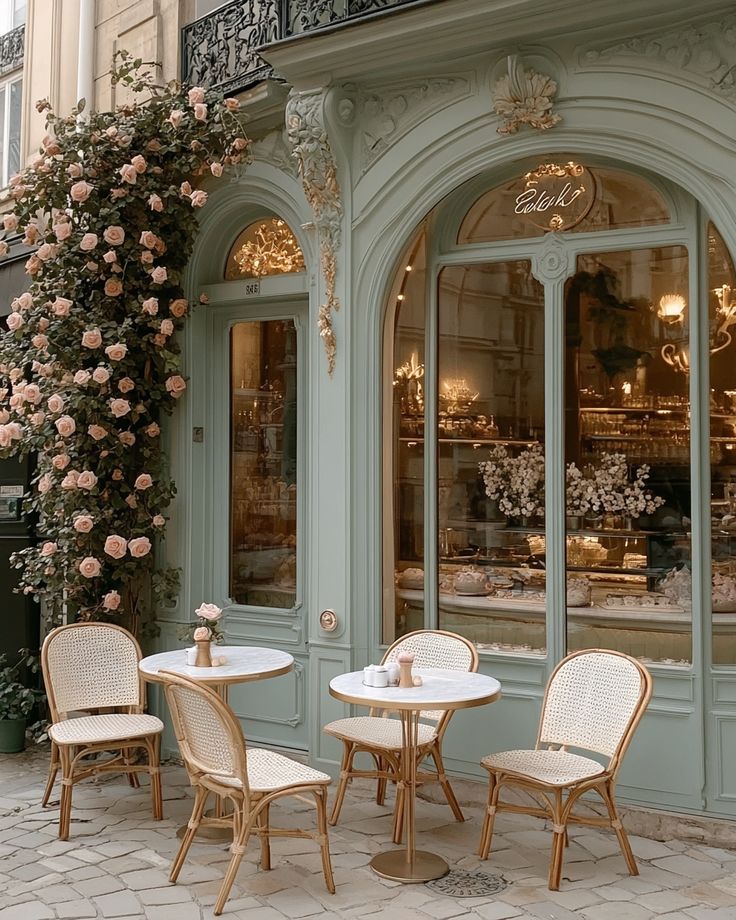
    The other day, while sitting in a cozy coffee shop, sipping some chai tea, my attention was drawn to a quote on the wall. It was by Diane Von Furstenberg, and it read:

    “You know, there’s a thing about the woman across the room. You see the woman across the room, you think, ‘She’s so poised; she’s so together.’ But she looks at you and you are the woman across the room for her.”

    The words struck a chord, interrupting my usual habit of letting my gaze wander, silently admiring the people around me. Just moments before, someone who seemed effortlessly chic had caught my eye, followed by another exuding calm confidence. My thoughts, as they often did, started to drift into comparisons. But this quote brought a fresh perspective. The people I admired might be looking at me the same way.

    For days, the message lingered in my mind, unfolding in ways I hadn’t expected. It made me realize just how much energy was spent comparing myself to others, often assuming they were more complete, more capable, or more poised. It is so easy to fall into that pattern and think, she’s so much more accomplished than I am, or I wish I had her style, her presence, her confidence. Yet Diane Von Furstenberg’s words suggest something profound. The people who inspire us might see something equally admirable in us.

    This wasn’t something I wanted to merely ponder and forget. I wanted to internalize it. Over the next few weeks, I paid closer attention to those moments of self doubt. Each time a comparison arose, I reminded myself, you’re not supposed to be like her. You’re supposed to be like you.

    It wasn’t just about being kind to myself. It was about shifting how I perceived my own worth. Instead of dwelling on what I thought I lacked, I began focusing on the qualities that made me unique, the ones that aren’t always visible at a glance. The warmth of my smile, the way I can make someone laugh, the quiet resilience I’ve built over time. These are all parts of me that can’t be measured against someone else.

    The process wasn’t seamless, and there were setbacks along the way. Some days, old habits crept back in, but over time, they started to lose their hold. Little by little, I learned to stop seeing myself through the lens of comparison and instead recognize the beauty and strength that are inherently mine.

    After weeks of reflection and practice, I felt ready to share this experience. Living these ideas was necessary before writing about them. It’s one thing to feel a momentary spark of inspiration. It’s another to let it reshape the way you think and act.

    Here’s what I’ve come to believe. There will always be a woman across the room. She’ll always seem poised, radiant, and effortlessly put together. But her light doesn’t diminish yours. It never could. You don’t need her kind of beauty or grace because you have your own. And perhaps she’s looking at you, noticing your magic in a way you might not even realize.

    Now, whenever admiration strikes, I let it be a reminder of individuality rather than a source of self doubt. Diane Von Furstenberg’s words have become a quiet mantra in my mind. You’re not pretty like her. You’re pretty like you.

    So the next time you’re sitting in a coffee shop, mocha or tea in hand, admiring the person across the room, pause for a moment. Remember, they might be looking at you too, wishing they had a little of your unique magic.

  • Featured Image Credit: Pinterest

    Every day presents countless opportunities to make choices that seem insignificant but hold the power to shape our character. Discipline is not about grand gestures or sweeping resolutions. It is about the steady, consistent actions that define who we are.

    Take something as simple as choosing to return a shopping cart to its designated place. I once had a habit of leaving my cart wherever it was most convenient. I would unload my groceries and walk away without much thought. It felt harmless in the moment.

    Then one day, as I placed my groceries in the car, I noticed a loose cart rolling into an empty parking space. I realized how quickly small choices can create bigger problems. In a matter of seconds, it could have slammed into a parked car, caused damage, or become someone else’s frustration to manage.

    That moment marked a shift. I made a conscious decision that no matter the weather, how far the cart return was, or how rushed I felt, I would take the cart back to where it belonged.

    At first, the change felt small. There were moments when I felt tempted to leave the cart behind, especially when it was raining or when the return station felt inconveniently far. But I stayed consistent. What began as a simple act of courtesy gradually evolved into a practice of mindfulness and accountability.

    Each time I returned the cart, it felt like a small victory. Proof that I could follow through on a promise to myself, even when no one was watching. That sense of integrity began to spill into other areas of my life. I became more intentional with small responsibilities, more mindful of completing tasks fully, and more respectful of the commitments I made to myself and others.

    Discipline revealed itself not as restriction, but as self-respect. It showed me that character is built in moments that shape our integrity. Sometimes, growth begins with something as simple as choosing to return a cart.

    Moments like that remind us that discipline is not about being perfect or impressing anyone. It is about the decisions we make when no one is paying attention. It is about choosing responsibility even when it would be easier not to. Over time, those choices build trust within yourself. You begin to believe in your own follow-through, and that belief subtly changes how you present yourself in other aspects of your life.

    Little by little, discipline becomes less about effort and more about identity. You stop seeing these actions as chores and start seeing them as reflections of who you are becoming. When you take care of the small things, the bigger things feel more manageable. And eventually, you realize that growth does not arrive all at once. It unfolds through everyday moments, shaped by the choices you make daily, one cart, one promise, one decision at a time.

  • Featured Image Credit: Pinterest

    Sometimes the road to finding yourself is a lonely one. Not because you’re doing something wrong, but because growth has a way of separating you from what’s familiar. The people you expected to walk beside you, the faces you assumed would naturally show up with encouragement and reassurance, may not offer the support you hoped for. And that realization can sting more than the journey itself.

    You’ll want encouragement from those who know your story, who have seen where you started, who understand how much courage it takes for you to even begin. You’ll want them to ask how you’re doing, to notice your effort, to say they believe in you. But sometimes, those moments don’t come. Not because you’re unseen, but because this chapter requires you to learn how to stand without leaning.

    There are moments you’ll look around for reassurance, wondering if anyone notices the progress you’re making or the weight you’re carrying. And slowly, you’ll realize you’re the one who has to keep going anyway. You’re the one choosing to show up, even when no one claps, checks in, or validates the path you’ve chosen. That realization can feel heavy at first, but it’s also where something meaningful begins to form.

    That’s where your strength is shaped. Not in being supported, but in continuing without it. Not in being understood, but in trusting yourself enough to move forward regardless. When you continue without approval or validation, you learn to listen to your own voice. You learn to rely on your inner compass instead of external reassurance. You stop waiting for permission and start honoring your own timing.

    This process teaches you how to carry yourself forward with intention, confidence, and purpose. You begin to recognize that becoming who you are isn’t a performance. It doesn’t require witnesses or constant affirmation. It requires honesty, commitment, and the willingness to keep choosing yourself even when it feels uncomfortable.

    There’s courage in continuing when no one is watching. In staying consistent when the excitement fades. In believing in what you’re building, even when it hasn’t fully taken shape yet. That courage builds resilience. It grounds you. It reminds you that your worth isn’t tied to how many people support you, but to how deeply you believe in yourself.

    The journey counts, even when it’s unseen, and every step is carrying you closer to who you’re becoming. Every choice to keep going matters. Every moment you choose self-trust over doubt adds up. One day, you’ll look back and realize that the loneliest parts of the road were also the most transformative. They taught you how to walk with confidence, how to trust your direction, and how to stand firmly in who you are, with or without applause.

    And that’s when you’ll understand that this road wasn’t empty. It was preparing you for the life you’re building with intention.

  • Featured Image Credit: Pinterest

    I met my younger self for tea today. She arrived with wide eyes and an air of curiosity, the same wonder she always carried, the same eagerness to dream without restraint. She stared at me, scanning my face, my hands, my posture, searching for traces of the girl she used to be. Searching for the dreams she once held so close.

    I smiled at her, sensing the silent questions forming in her mind.

    Did we make it?”
    “Did we become who we wanted to be?”
    “Are we happy?

    I reached for my cup, the warmth of the tea grounding me. “Some dreams stayed,” I told her. “Some changed. But we’re still unfolding.”

    She exhaled softly, her shoulders relaxing, as if relieved that life had not betrayed us entirely. She sipped her tea, processing the words. I watched her, remembering the days when she believed the world was a map of infinite possibilities, when she made promises to herself that felt unbreakable.

    I wanted to tell her everything. About the detours, the heartbreaks, the unexpected joys. About the friendships that faded and the new ones that arrived like serendipitous gifts. About the fears that still whisper at night, but no longer hold the same power. About the confidence that grew where uncertainty once lived.

    But I did not need to say it all. She looked at me, truly looked at me, and I think she understood. Maybe she saw a strength she had not imagined, a softness that remained despite life’s sharp edges.

    And I think we both felt at peace.

    The girl I used to be and the woman I have become sat across from each other, sipping tea, knowing we are still a work in progress, and that is enough.

  • Featured Image Credit: Pinterest

    Happiness is a shape shifter, wearing many faces and speaking different truths to each of us. For one person, it is the quiet triumph of watching their savings grow like drops of rain slowly filling a pond. For another, it is landing the job they have dreamed of, a wish granted by the universe. For someone else, it is the deep relief of being debt-free or the soul-stirring magic of feeling a tiny foot press against the womb, a sign that life’s beauty is unfolding in unexpected ways.

    But life, as we know, does not always hand us happiness on a silver platter. It does not wait at the door like an old friend, ready to greet us with a warm embrace every morning. Instead, it can feel like a fleeting guest, slipping away just when we need it most. But here is the secret. Happiness is not some distant, unattainable thing. It is closer than you think. It is a choice, a practice, a daily discipline that we can cultivate no matter the circumstances.

    When life throws its curveballs, we face a critical choice. We can let them flatten us, or we can rise, bat in hand, swinging with everything we have. It is never easy, but the truth is this. You hold the power to calm your inner storm. The key is to redirect your mind toward peace, even when negativity knocks on the door. You do not have to wait for happiness to arrive. You can create it from the inside out.

    Imagine waking up after a deep, restorative sleep with a clear mind and a body ready to take on the world. Sleep is more than just a pause. It is the foundation of joy. It is during those hours of rest that we renew and recharge, making space for good things to flow in. Just as important as rest is the practice of stillness. Even five minutes of meditation can shift the energy of your entire day. Picture yourself by the sea, waves washing over the shore, or standing beneath a vast sky, breathing deeply and letting peace settle in.

    There is a quiet magic in the smallest gestures, like the simple act of smiling. It is free, effortless, and its ripple effect is powerful. A smile not only brightens the world around you, it also sparks joy within. Words hold power too. Whether you are immersed in a good book or reading an inspiring quote, language has the ability to elevate your spirit. I start my mornings with a few lines of positivity. It sets the tone, like an invisible guide carrying me through the day.

    Sometimes our minds become tangled in overthinking, spiraling, and stealing our peace. When that happens, catch yourself. Gently redirect your thoughts to something uplifting. Remind yourself, I have got this. Because you do. And if there is one habit that can shift your entire outlook, it is gratitude. When you pause to reflect, not only on the big wins but also on the small and seemingly insignificant moments, you begin to notice life’s magic everywhere. In the laughter of a friend. In the quiet beauty of a sunrise. In the warmth of a child’s hand resting in yours.

    Journaling is another powerful way to stay grounded. Let your journal become a sanctuary for your thoughts and feelings. Write about your victories, your doubts, your dreams, and your fears. Over time, those pages become a record of growth and resilience, a reminder of how far you have come. In today’s digital age, it is also essential to take control of your online space. Social media can inspire or drain you. Curate your feed intentionally. Surround yourself with content that uplifts you, lightens your heart, and sparks joy. Unfollow what no longer serves you. Just like clearing clutter from your home, it creates room for peace to thrive.

    Self-care is not a luxury. It is a necessity. Prioritizing yourself is not selfish. It is essential. Whether it is soaking in a warm bath, dancing around the kitchen to your favorite song, or indulging in a simple skincare ritual, make space for moments that nourish you. You cannot pour from an empty cup.

    And finally, remember that happiness multiplies when it is shared. Surround yourself with people who bring light into your life and make your soul feel seen. Those relationships are treasures. Laugh together. Create memories together. Happiness isn’t meant to be hoarded. It’s meant to be celebrated and passed on.

    Happiness is not a stroke of luck. It is an art. It is the ability to find light even when clouds feel heavy, to cherish small moments others might overlook. It is knowing that even on the darkest days, the sun is still shining, just behind the clouds, waiting to break through.

    The road to happiness isn’t always straight, but here is the truth. You are more resilient than you realize. You are the spark, the force, and the light in your own story. Choose joy. Embrace the journey. Let your brilliance shine, because the world needs your light now more than ever.

  • Featured Image Credit: Pinterest

    Have you ever felt like life was testing the very limits of your emotional resilience? Maybe it was during a heated argument with someone you love, or perhaps it happened when an unexpected challenge at work made you question your own abilities. In those moments, how did you respond? Did you allow your emotions to take over, or did you take a step back, breathe, and choose a calmer, more thoughtful path forward?

    I once found myself in one of those defining moments. I was deep into a project that meant the world to me, something I had poured countless hours into, sacrificing weekends and late nights, while giving it my full heart and focus. The deadline was approaching, and just when I thought everything was on track, unexpected problems began to surface. One after another, they felt relentless, as though they were designed to unravel everything I had worked so hard to build. Frustration set in, stress surged, and for a brief moment, I felt as though I might break under the pressure.

    Then something shifted within me. In the middle of the chaos, I realized I had a choice. I could allow my emotions to dictate my reactions, pushing me toward rash decisions, or I could pause, recalibrate, and approach the challenge with a clear mind. I chose to pause. I stepped away from my desk and went for a long walk to clear my head. I practiced deep breathing, giving myself permission to slow down. As the tension eased, my thoughts began to settle, and solutions that once felt out of reach slowly became clear. When I returned to my work, I faced the challenges with renewed focus and purpose. That decision, choosing to respond thoughtfully instead of reacting impulsively, changed everything.

    This experience taught me that emotional maturity is not about suppressing emotions or pretending they do not exist. It is about managing them in ways that empower you rather than allowing them to control you. Emotional maturity is not achieved overnight, nor is it a final destination. It is a continuous journey of growth and self-awareness, where each moment becomes an opportunity to learn, improve, and evolve.

    At its core, emotional maturity is about navigating life’s ups and downs with intention and grace. It is the ability to pause, reflect, and choose your response carefully instead of acting on impulse. It grows as you cultivate habits that support clarity and calm. Self-awareness plays a central role. When you understand your emotions, recognize your triggers, and notice your patterns, you gain the ability to respond in ways that align with your values and protect your well-being. Practices such as journaling or meditation can offer insight into these emotional patterns and help you manage them more effectively.

    Emotional maturity is also rooted in empathy and compassion. It invites you to see situations through the eyes of others and to respond with kindness, not only toward those around you but toward yourself as well. This compassion strengthens communication, allowing you to express yourself honestly, listen without defensiveness, and navigate conflict with care.

    Life will inevitably bring moments of stress, anger, and frustration. How you handle those moments shapes your growth. Healthy coping practices such as movement, mindfulness, or creative expression can turn stress into a catalyst for learning. Anger, when met with pause and reflection, can become a teacher rather than a destructive force.

    Another essential part of emotional maturity is setting and honoring boundaries. Understanding your limits and communicating them clearly helps protect your emotional health and builds trust in relationships. Accountability is equally important. Owning mistakes, offering sincere apologies, and making amends when necessary strengthens integrity and connection.

    Patience and tolerance develop alongside emotional maturity. Life rarely unfolds exactly as planned, and people will not always meet our expectations. Cultivating patience allows you to handle delays and setbacks with composure, while tolerance helps you appreciate perspectives different from your own.

    Growth remains at the heart of emotional maturity. It involves actively seeking lessons through experience, learning, and reflection. Surrounding yourself with people who encourage growth can deepen this process. Forgiveness also plays a meaningful role. Letting go of resentment does not excuse harm, but it frees you from carrying emotional weight that holds you back.

    Gratitude anchors this journey. Shifting focus from what is missing to what is present creates space for peace, even during difficult seasons. Gratitude does not deny challenges. It allows you to recognize strength, opportunity, and beauty alongside them.

    Emotional maturity is not about perfection. It is about progress. It is the lifelong practice of responding to life with steadiness, awareness, and resilience. Each day offers a new opportunity to grow and to choose responses that serve your well-being.

    So when life tests your emotional resilience again, remember this. You always have a choice. You can pause. You can breathe. You can grow. In that choice lies your power, your freedom, and your strength.

  • Featured Image Credit: Pinterest

    Sophia sat quietly in her dorm room at Westwood University, staring at the walls as memories of the past year flooded her mind. She used to be the girl with a contagious laugh, a dreamer who could light up any room she entered. She aspired to become a psychologist, hoping to help others the way she once wished someone could help her. Her friends admired her optimism. It was one of the things that defined her.

    But as the months passed, everything changed. The girl who once brimmed with excitement now felt hollow inside. The life she had envisioned slipped through her fingers, replaced by something she could not escape.

    The Beginning of the End

    It started with the allure of a perfect romance. At first, Ryan seemed to be everything Sophia hoped for. He was thoughtful, attentive, and full of promises about the future. His charm made her feel seen, understood, chosen.

    Over time, the spark faded, and the connection shifted into something darker.

    Ryan began undermining Sophia’s independence. He criticized her choices, questioned her friendships, and slowly isolated her from the people who cared about her. If she spent time with friends, he accused her of disrespect. His need for control became suffocating. Sophia brushed it off, convincing herself it was just jealousy or insecurity.

    Then the verbal attacks began. He belittled her opinions, mocked her appearance, and called her names when angry. One night, during a heated argument, Ryan grabbed her arm, squeezing hard enough to leave bruises.

    You make me do this,” he whispered. “I love you too much to lose you.”

    Sophia wanted to believe him. She wanted to believe the man she first met was still there.

    The Turning Point

    Everything shifted when Sophia attended a campus event on mental health awareness. As a speaker described the cycle of emotional and physical abuse, her chest tightened. Control. Isolation. Escalation. The patterns sounded painfully familiar.

    For the first time, she asked herself, what if this is not normal?

    That night, she reached out to her best friend, Sarah, who had grown distant since Sophia began dating Ryan. Sarah listened without judgment and encouraged her to seek counseling at the university’s wellness center.

    The counselor was gentle but honest.

    “No one who loves you should make you feel unsafe,” she said. “Leaving is not weakness. It is strength.”

    Taking the First Step

    It took months of therapy, reflection, and long conversations before Sophia could leave Ryan. The emotional scars lingered long after the physical ones faded. She wrestled with guilt, fear, and the worry of what others might think.

    Leaving was not just about ending the relationship. It was about rebuilding herself.

    Slowly, she reconnected with friends, returned to her studies, and rediscovered her sense of worth. The process was not quick, but it was healing.

    Today, Sophia is an advocate for survivors of domestic violence, speaking at schools and universities across the country. She shares her story to remind others that safety and happiness must come first.

    Love should never hurt,” she says. “You deserve respect, peace, and freedom. Choose yourself, even when it’s hard.”

    The Reality for Many

    Sophia’s story is fictional, but it reflects the lived experiences of countless people. Abuse does not always look the same, and it often begins quietly.

    Abuse can take many forms.

    Emotional abuse includes manipulation, belittling, and gaslighting that slowly erode self-esteem.
    Physical abuse includes hitting, choking, or any form of physical harm used to assert control.
    Psychological abuse includes threats, intimidation, and creating constant fear.
    Financial abuse includes controlling access to money or resources to create dependence.
    Sexual abuse includes coercion or forced intimacy.

    Men can be victims too. Abuse has no gender, and no one deserves to live in fear.

    How to Leave an Abusive Relationship

    The first step is recognizing the signs. Abuse is never love.

    Build a support system by reaching out to trusted friends, family members, or support groups. Isolation fuels harm, and connection is critical.

    Create a safety plan. Identify safe places to go, keep emergency contacts accessible, and prepare essentials if you need to leave quickly.

    Seek professional help. Organizations such as the National Domestic Violence Hotline at 1 800 799 7233 can provide confidential support and resources.

    Explore legal options when appropriate. Protection matters, even when the process feels intimidating.

    Believe in your worth. Healing begins with knowing you deserve peace.

    A Message to Survivors

    Leaving an abusive relationship is not a weakness. It is courage.

    To survivors of all genders, you deserve a life free from fear.
    To men, strength is shown through care and respect, not control.
    To women, your safety is not negotiable.

    You are worthy of love that does not hurt.

    Disclaimer: The characters and events in this story are purely fictitious. Any resemblance to real people, living or dead, is purely coincidental.

  • Featured Image Credit: Pinterest

    Comparison is a natural part of human nature. We look at the world around us, observe others, and inevitably measure ourselves against them. In the age of social media, where the highlight reels of people’s lives are constantly on display, this tendency can easily spiral into a cycle of envy and self-doubt. But what if we shifted our focus entirely? What if, instead of looking over the proverbial fence to see if someone else’s grass is greener, we dedicated ourselves to nurturing our own?

    The truth is, the grass is greener where you water it. This simple yet profound idea carries a powerful reminder. The time and energy we spend tending to our own lives are what create growth and beauty. When we are constantly distracted by how others are living, we drain ourselves of the energy needed to cultivate something meaningful for ourselves. Comparison is not just unproductive. It is a thief. It steals joy, peace, and progress by redirecting our focus away from what truly matters, our own journey.

    When you are busy nurturing your own grass, there is no room for comparison. You are too engaged in planting seeds, pulling weeds, and watching your efforts bloom into something uniquely yours. This is not just about avoiding envy. It is about fully embracing the process of growth. Growth takes time, effort, and patience. It requires you to show up consistently, even when the results are not immediately visible. The act of nurturing your own grass becomes a practice in self-discipline and self-love.

    It is tempting to glance over at someone else’s lawn and wonder why it looks so vibrant. But appearances are deceiving. That lush, green grass you are envying might be astroturf. You do not know the full story behind what you see. Maybe they have invested years of work, or maybe they have simply been good at hiding the struggles beneath the surface. Either way, their lawn has no bearing on yours. Your path, your process, and your progress are entirely your own.

    When you let go of the need to compare, you open yourself to a deeper connection with your own life. You begin to notice the small victories, the way your efforts are paying off, the satisfaction of seeing growth where there was once barren ground. You start to appreciate the beauty of what you are building, not because it outshines someone else’s, but because it reflects your hard work and authenticity.

    The key to happiness and fulfillment is not found in measuring yourself against others. It lies in pouring your energy into what matters most to you. It is about recognizing that your worth is not defined by how your life stacks up to someone else’s, but by the care and intention you bring to your own. When you focus on creating something meaningful for yourself, you stop chasing external validation. Instead, you find contentment in the process and pride in the results.

    At the end of the day, what truly matters is not whether your grass looks greener than your neighbor’s. It is whether you have poured your heart into making it your own. True fulfillment does not come from comparison. It comes from the joy of building something authentic and true to you. So stop looking over the fence. Pick up the hose, pull some weeds, and start watering your own grass. In time, you will realize that the beauty you have been searching for was within your reach all along.

  • Featured Image Credit: Pinterest

    Life has a way of leaving marks on us, wounds from heartbreak, failure, or loss that can make us feel broken or unworthy. Yet, one of life’s sweetest gifts is finding someone who sees past the cracks and messiness to the beauty hidden underneath. Someone who doesn’t turn away from our flaws but leans in, uncovering the strength we may have forgotten.

    To be truly seen is to experience a connection that transcends appearances. It’s having someone who acknowledges your scars, not as signs of weakness, but as symbols of resilience. These are the people who don’t simply tell you to move on. They help you heal. They carefully stitch your wounds, sprinkling glitter over the imperfections, and remind you that even broken things can sparkle.

    These people see us not as damaged, but as diamonds in the mud. With patience and care, they help brush away the dirt and reveal the brilliance beneath. They don’t stop there. They help us dream again. Where we see barren, parched land, they envision fountains of possibility. They build with us, piece by piece, creating castles of hope on foundations we thought were too fractured to hold anything.

    There’s a profound power in being seen this way. It shifts how we view ourselves, especially in moments when self belief feels out of reach. When someone chooses to stay, to look deeper, to believe in us despite the chaos we carry, it’s a reminder that we are worthy. Not someday. Not when we fix ourselves. But right now, as we are.

    Yet the beauty of being seen doesn’t end there. It’s a gift that inspires us to look outward and offer the same grace to others. To truly see someone is to meet them where they are, to embrace their humanity, honor their story, and gently remind them of their strength. It’s not about fixing anyone. It’s about walking beside them and holding space for them to rediscover their light.

    Think about the people who have done this for you. The ones who stood by you when things felt hopeless. The ones who believed in you even when you couldn’t. Their kindness likely left an imprint on your soul, shaping who you’ve become. Now ask yourself how you can pay this forward.

    Every small act of compassion has the potential to transform a life. A kind word, a listening ear, a simple acknowledgment of someone’s worth. These are the seeds of hope we plant in others. And when those seeds grow, they often create a ripple effect of kindness, reaching far beyond what we can see.

    There’s something magical about this cycle. When we show others they are worthy of love and care, we begin to see that worth in ourselves too. We’re reminded that while life may be messy, messy doesn’t mean broken. Messy can mean real, raw, and alive.

    If you’ve found someone who sees you in this way, hold onto them tightly. Cherish their presence and the light they bring into your life. And if you haven’t, know that such connections often come when we least expect them. Meanwhile, remember that you are already enough, scars and all.

    The journey to being seen begins with showing up as your authentic self. It means embracing vulnerability, opening yourself to the possibility of connection, and trusting that the right people will meet you where you are.

    Life isn’t perfect, and neither are we. But in the midst of the mess, there is beauty. There is hope. And there is the possibility of being seen, not as someone who needs to be fixed, but as someone who is already worthy.

    Here’s to the healing that comes with being seen and the courage it takes to see others in the same light. Because in the end, our scars are not the end of our story. They are simply chapters in the journey toward becoming whole.

    Here’s to hope. Here’s to being seen and embracing the power of connection.

  • Featured Image Credit: Pinterest

    The world often glorifies the extraordinary, filled with stories of grand achievements, viral moments, and lives that seem larger than life. These narratives dominate our screens and conversations, leaving many of us wondering if our quieter, simpler lives are somehow less valuable. But the truth is, the beauty of life often lies not in the extraordinary but in the beautifully ordinary moments we experience every day.

    Consider a typical morning. The soft light filtering through the curtains, the familiar creak of the floorboards underfoot, the steam curling upward from a freshly brewed cup of coffee. These moments seem mundane at first glance, almost invisible in their simplicity. But they are also profoundly comforting. They anchor us in a world that often feels chaotic and unpredictable. There is a gentle magic in the routines we take for granted, a rhythm that hums beneath the surface of our days, reminding us that even in the smallest things, there is meaning.

    Routines are often dismissed as boring, as the things we do while waiting for life’s big moments. But this perspective misses the deeper truth. Routines are the backbone of our lives. They provide structure, stability, and a sense of purpose. When we think of the most cherished memories, they are often woven into the fabric of these routines. The smell of pancakes on a Sunday morning, the evening ritual of saying goodnight to loved ones, or the daily walk that clears the mind and refreshes the soul. These moments may seem small, but they hold us together. They are the quiet acts of care we perform for ourselves and those around us.

    Life’s ordinary moments are also where connection thrives. A quick smile from a stranger on a busy street, a text message from a friend just checking in, or the simple joy of sharing a meal with family. These interactions, though brief, are what make us feel seen, valued, and understood. I remember a story shared by my aunt as she reflected on her years of marriage. She said her favorite memory wasn’t a grand vacation or a milestone celebration. It was the way her husband brought her tea every morning for thirty years. “It wasn’t just tea,” she said. “It was love, poured in a cup.” That daily gesture, so simple and ordinary, spoke volumes about the depth of their relationship.

    There is an undeniable richness in these small moments of connection. They remind us that we are part of something larger, a mosaic of relationships that give our lives depth and meaning. No matter how ordinary our lives may feel, they are intertwined with the lives of others in deeply profound ways.

    To truly appreciate the beauty of an ordinary life, we must learn to be present. In a world that constantly pulls us forward toward the next task, the next goal, the next big thing, it takes courage to pause and simply be. But in those pauses, we discover that life’s beauty is not something we have to chase. It is already here, in the sound of laughter, the feel of sunlight on our skin, and the quiet moments we share with ourselves or others. Presence transforms the mundane into something sacred. A walk becomes a journey of discovery as we notice the crunch of leaves underfoot, the whisper of the wind, or the colors of the sky shifting at dusk.

    Being present does not require grand gestures or perfect circumstances. It is about paying attention, about truly seeing and savoring the life we are living. When we stop to notice, we find that even the simplest things, a kind word, a shared laugh, a moment of calm, are overflowing with beauty and significance. The extraordinary is hidden in plain sight, waiting to be uncovered in the ordinariness of everyday life.

    Embracing the ordinary does not mean abandoning ambition or ignoring the special moments that come our way. It means recognizing that extraordinary moments are built on the foundation of the ordinary. A loving relationship is not defined by a single grand gesture but by countless small acts of care and kindness shared over time. A meaningful career is not the result of one big break but the accumulation of consistent effort, day after day. A fulfilling life is not a highlight reel of exceptional events but a collection of small, ordinary moments that together create something truly extraordinary.

    If you want to begin celebrating the beauty of your own ordinary life, start small. Take a moment each day to reflect on the little things that bring you joy, a favorite song, the warmth of your favorite sweater, the way the light dances across the room. Find rituals that ground you and give meaning to your routines, like lighting a candle during dinner or taking a few minutes to breathe deeply before starting your day. Limit multitasking and focus on being fully present in each activity, whether you are eating, walking, or simply sitting in silence. Connect with nature in small ways by stepping outside, feeling the grass under your feet, or watching the clouds drift by.

    When we learn to cherish these small, ordinary moments, we begin to see that they are not small at all. They are the essence of life itself. And when we look back on our lives, it is often these moments, the shared meals, the quiet mornings, and the small gestures of love, that stand out. They are the moments that linger in our hearts, reminding us of what truly matters.

    So let us not wait for the extraordinary to feel alive. Let us embrace the beauty of the lives we are living right now. Because when we do, we discover that an ordinary life is not ordinary at all. It is a masterpiece of moments, each one precious, each one enough. It is in the gentle rhythm of an ordinary life that we find the deepest and most enduring joy.